- Feb 3
Handwriting Detective and The Stalker's Note..
!! Content Warning: suicide, self-harm.Last year, this photo landed in my DMs.
A note, left on the porch.
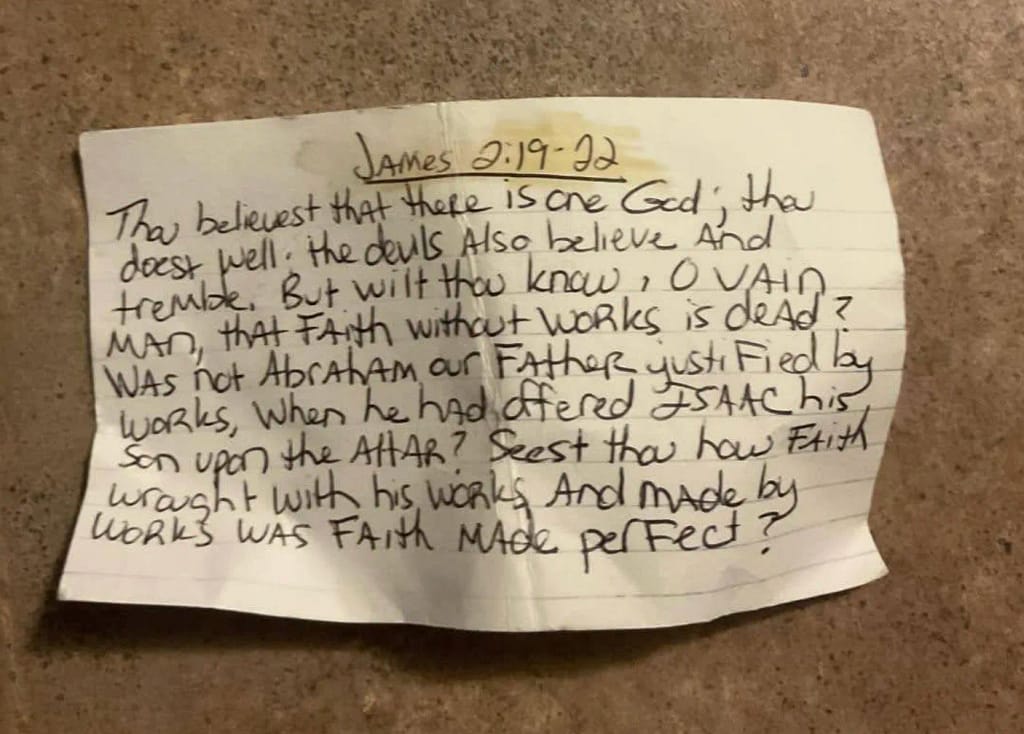
front of the note
“Can you tell me who wrote this?” the message read. “I found it on my porch while collecting my daughter's amazon package. I’m a little freaked out.”
I clicked the image. My screen filled with a crumpled, yellowing piece of paper. On one side, a Bible verse was highlighted in a sun-bleached yellow. On the other, a helpline number for people in crisis.
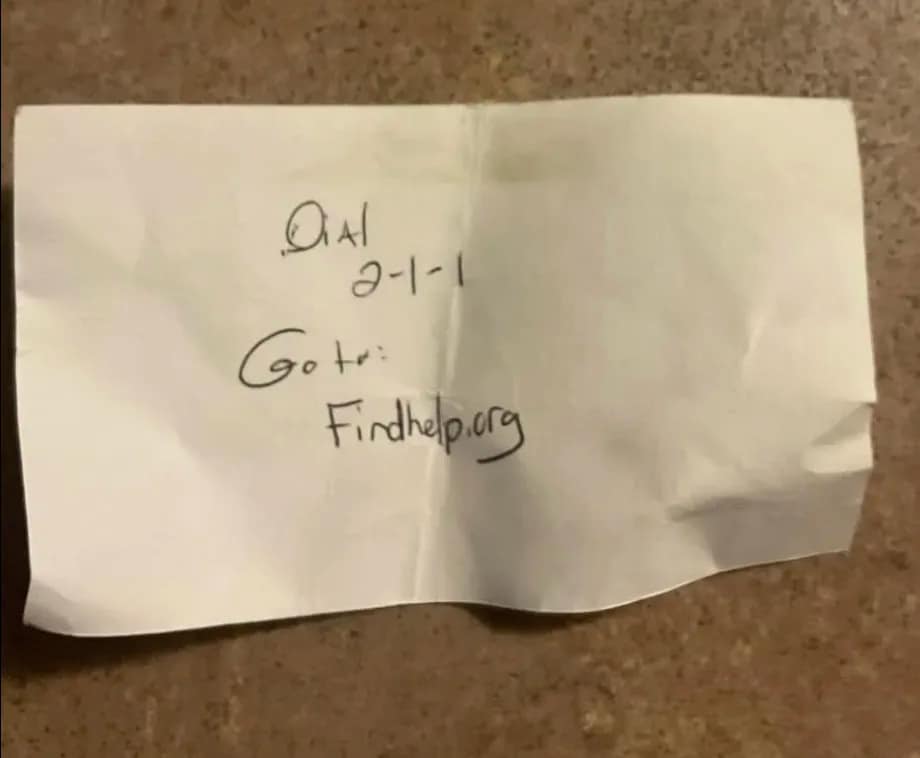
back of the note
The fear was understandable. A stranger’s private words, left at your home, feels like a violation. A threat. A message meant for you.
But as I leaned in, the story the handwriting began to whisper was not one of a stalker. It was the story of a ghost.
This wasn’t a message for the person who found it. It was a message for the person who wrote it. A message they wrote to themselves, over a year ago, to keep from disappearing entirely.
The Archaeology of Pain
The evidence was all there, not in the words, but in the body of the writing.
The paper itself was a clock. The highlighter was so faded it had turned the color of weak tea. The paper, yellowed and soft at the edges, had been exposed to sun and air for at least a year.
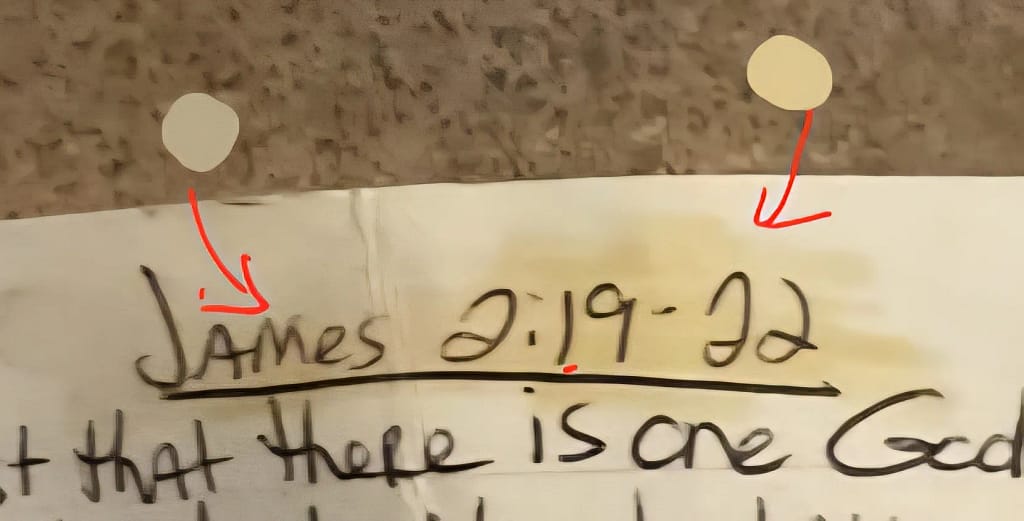
sunbleached highlighter, aged by at least 1y
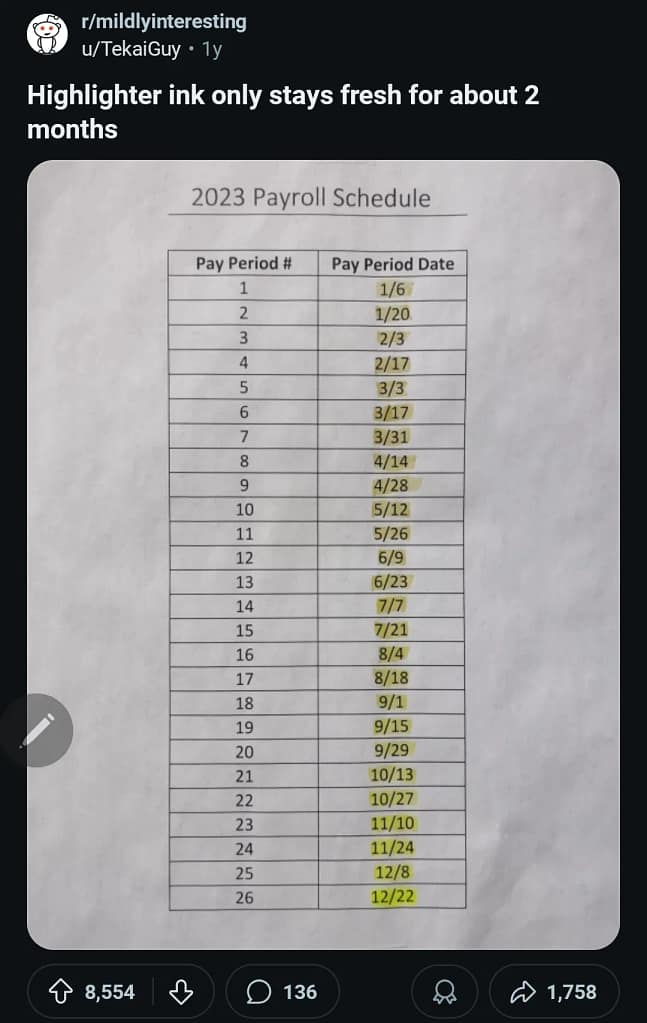
this reddit post shows the shift in hue of highlighter over the course of a year.
So this wasn’t a recent threat. It was someone's lost soul piece.
The handwriting was a cry for help, frozen in time.
Letters were a jumble of uppercase and lowercase, a classic sign of a mind wired differently (liKe ThIS). Likely dysgraphia, often a companion to the loneliness of dyslexia or similar neurological conditions.
Felon’s claws. Downward hooks, curled at the ends of words. A stroke of self-sabotage, of someone who knows an action will hurt them but will do it anyway.
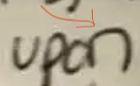
Strangler’s loops coiled in the middle zone, the space of the self and daily life. A noose, in the unmistakable shape of a noose, repeated. This suggests a possible lurking thought of ending things.
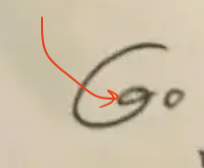
The letters bunched together in certain words, then spread far apart from each other in others. This signals a mind in chaos, unable to find stable footing.
This was not the writing of a person planning for the future. This was the writing of someone clinging to the present by their fingernails.
The Portrait of the Ghost
Piece by piece, the ghost took form.
They were young.
The pen pressed into the page with the vitality of a strong body.
But their spirit was battered.
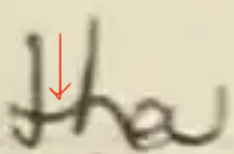
Their ‘t’-bars were drawn low and slanted down, heavy with the weight of pessimism.
They had no space for themselves.
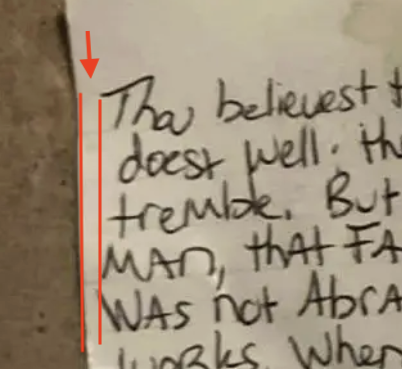
The left margin was crushed against the edge of the page, as if they were afraid of running out of everything: time, money, hope.
They wrote this note for themselves.
The Bible verse, James 2:19-22, wasn’t for evangelizing. It was a private mantra. “Faith without works is dead.” A plea to a God they desperately wanted to believe in, to help them do the work of saving their own life.
The 2-1-1 helpline on the back wasn’t a suggestion. It was their own emergency plan, scribbled down before they lost the nerve to seek help.
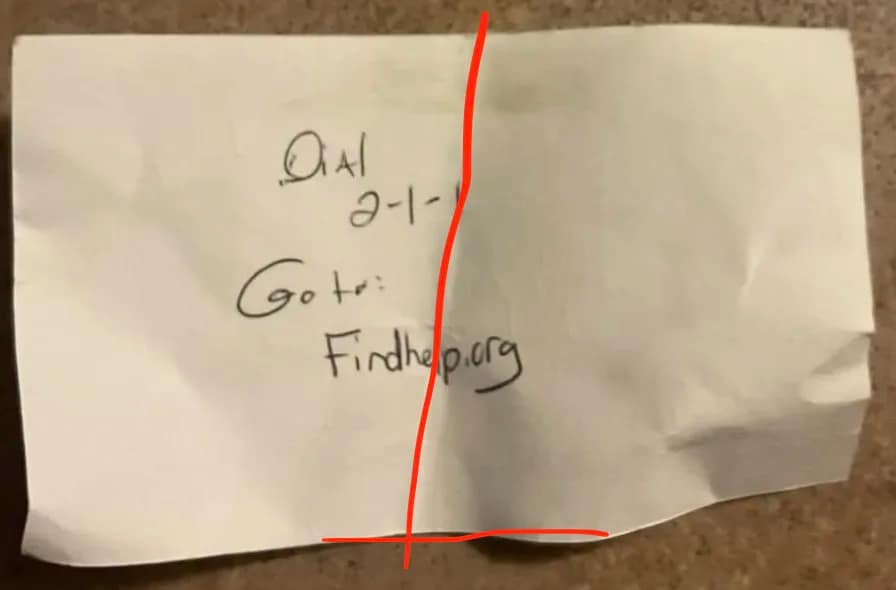
The fold on this card was at an askew angle, a sign of casual handling.
The fold was haphazard, not the careful crease of a document meant to be handed to another.
This was a note folded to be stuffed into a jeans pocket, or tucked under a motorcycle helmet visor. A talisman to be kept close, a reminder to hold on for one more day.
The Truth About The Unknown.
This note didn’t appear on that doorstep as a threat. It fell from a pocket. It slipped out of a wallet. It was a piece of someone’s survival kit that they lost, a year ago, while they were fighting a war inside themselves.
The person who found it was afraid of a monster. But the handwriting reveals the truth: they were afraid of a ghost.
The ghost of who that person used to be, in their most desperate hour.
We are so quick to assume malice in the unknown. But so often, what looks like a threat is just the discarded evidence of someone else’s silent battle.
This is why I fell in love with handwriting psychometry.
It's the art of separating the story fear tells us, from the story the evidence reveals. The alchemy of seeing past shadows and monsters, to fully see and heal human being in pain.
I don’t know if the writer of that note found their peace. I hope, with every fiber of my being, that they did. That the faith was found. That the ghost in the note found its peace.
But their story remains, a powerful testament:
The most frightening things we find are rarely about us.
They are echoes.
And sometimes, the most powerful thing we can do is to listen to the echo, honor its pain, and let it pass through us without becoming our own.
What's the echo hidden in your handwriting?
That's what we uncover in a 1:1 Expansion Session.
Book yours here